April 2, 2026
Hardscaping refers to the design and incorporation of durable structures into a landscape, enhancing its architectural features. It involves the use of solid materials such as stone, concrete, bricks, and metal, distinguishing it from softer, organic landscaping elements. By creating enduring frameworks, hardscaping offers a vital foundation that integrates beautifully with natural surroundings. This approach allows for versatile outdoor designs that not only serve functional purposes but also add significant structural value to the property. As homeowners aim to optimize their outdoor environments, hardscaping becomes an essential element in achieving visually appealing and highly functional spaces. While hardscaping focuses on the solid and enduring elements in landscaping, softscaping deals with the living, natural components, such as plants, trees, and flowers. Together, these elements create a harmonious balance that enhances the overall appeal and functionality of a landscape. While softscaping provides vibrant colors and textures, hardscaping offers form, structure, and a foundation to create boundaries and pathways. By blending hard and soft elements, homeowners can create balanced outdoor spaces that complement each other beautifully. This dual approach allows for a cohesive landscape design that satisfies aesthetic desires and practical needs alike.
Selecting Durable Materials for Your Property
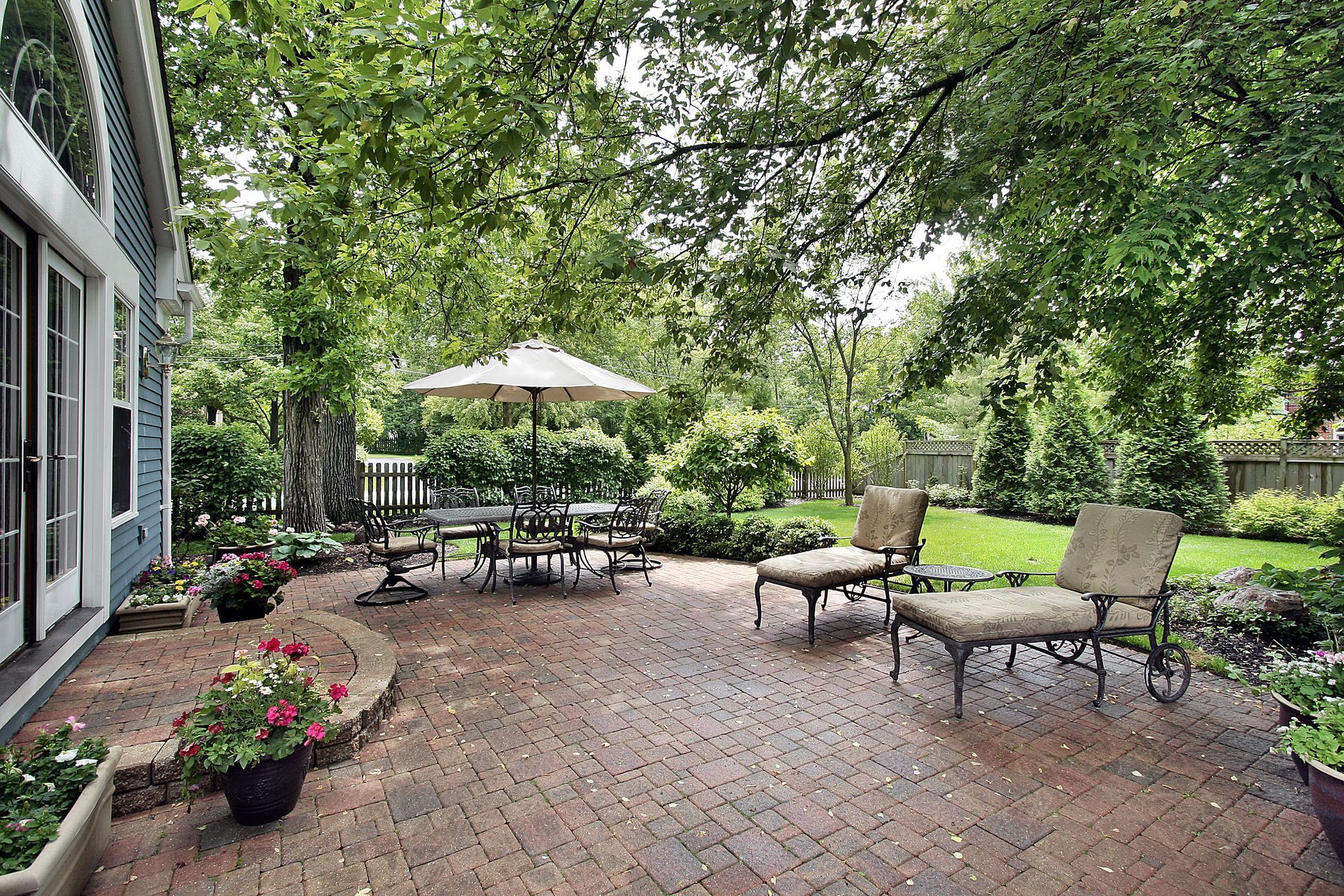
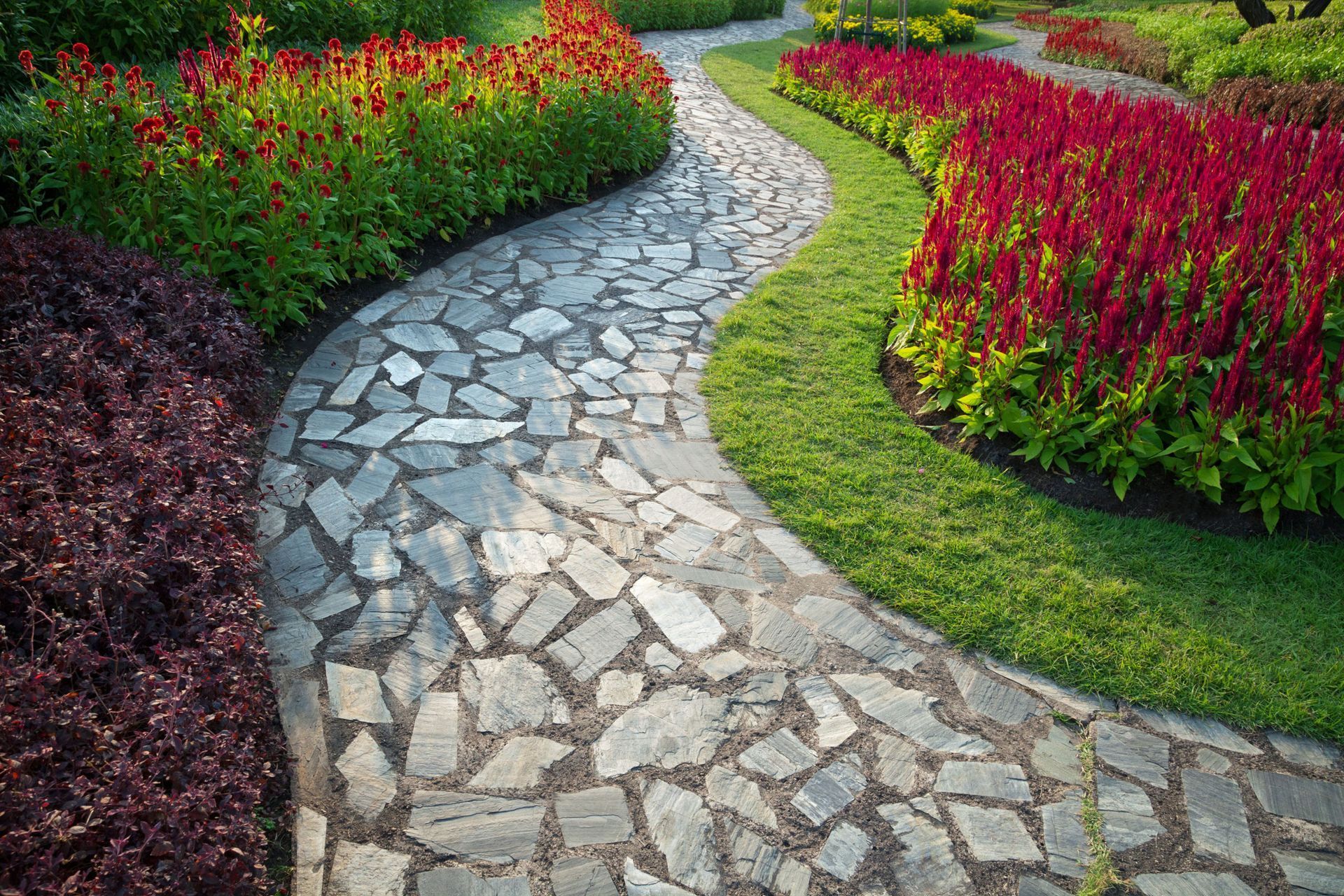
The choice of hardscaping materials greatly influences the design and functionality of outdoor spaces. Stone, a popular choice, offers natural beauty and durability, making it ideal for pathways, patios, and retaining walls. Concrete provides a modern, sleek finish and versatility for various structural needs, including driveways and garden beds. Bricks add a classic, timeless look to any landscape, perfect for patios and walkways that demand style and stability. Metal, although less common, offers a unique touch, often used in garden edging or water features for a contemporary flair. Selecting the right material is crucial in achieving a hardscape design that enhances the overall landscape while meeting specific functional requirements. Certain features have become staples in hardscape design, due to their practicality and aesthetic contribution. Patios serve as a base for outdoor dining and entertainment, providing a flat, stable surface perfect for gatherings. Pathways and walkways not only guide foot traffic throughout a garden but also add visual intrigue with their patterns and materials. Retaining walls, built to manage soil erosion and create leveled gardens, offer both functional and decorative value. Driveways, often overlooked, are a crucial hardscape element, enhancing curb appeal and providing convenient access to the home. These features, when thoughtfully integrated, can transform an ordinary outdoor space into an extraordinary living area brimming with character and utility.
Functional Benefits of Professional Hardscaping
In landscape design, hardscaping plays a critical role, providing the structure and framework that supports the softer elements. It defines spaces, creates visual interest, and delineates boundaries, adding personality and depth to a landscape. Hardscaping forms the backbone of outdoor environments, serving both practical and aesthetic purposes by creating seating areas, pathways, and elevations. By combining various hardscape features and materials, designers and homeowners can construct outdoor spaces that reflect personal styles and accommodate lifestyle needs. Ultimately, hardscaping enhances landscape design, ensuring that outdoor spaces are not only beautiful but also functional and inviting.
One of the primary reasons homeowners turn to hardscaping is to improve the visual attractiveness of their outdoor spaces. According to This Old House, a report from Houzz indicates that the three biggest motivations for property owners to refresh their external areas are to boost visual charm at a rate of 51%, improve spaces for hosting guests at 37%, and expand the usable square footage of the residence at 33%. Hardscaping offers unparalleled opportunities to introduce textures, colors, and patterns, creating spaces that resonate with personal style. Effective hardscaping designs incorporate a mix of materials and features that draw attention and add sophistication to a landscape. The visual harmony achieved through strategic hardscaping significantly elevates the beauty of an outdoor area, making it a joy to behold and experience.
Improving Your Home Value and Utility
The addition of well-planned hardscaping elements can significantly increase the value of a property. Prospective buyers often look for outdoor spaces that are not only attractive but also functional, offering extra living and entertaining areas. By incorporating desirable features such as patios, outdoor kitchens, and fire pits, homeowners create versatile environments that capture the interest of potential buyers. Quality hardscaping investments offer one of the highest returns, as they enhance both the property's aesthetics and usability. This low-maintenance benefit appeals to busy homeowners who wish to enjoy beautiful outdoor spaces without investing significant time and resources. Hardscaping delivers long-lasting beauty with minimal effort, allowing homeowners to relax and fully appreciate their enhanced living areas. By utilizing hardscape features, homeowners can design versatile areas that marry aesthetics with functionality, meeting diverse lifestyle needs.
Transforming Yards with Modern Features
Hardscaping elevates outdoor areas by transforming them into functional extensions of indoor living spaces. Outdoor kitchens equipped with countertops and grills offer convenient cooking and dining arrangements, perfect for family gatherings and entertaining guests. Fire pits provide warmth and a cozy atmosphere for socializing, even in cooler weather, extending the time spent outdoors. Additionally, strategically placed seating areas create zones for relaxation and leisure, ensuring that every corner of the outdoor space serves a purpose. Hardscaping offers opportunities to create eco-friendly outdoor spaces that contribute positively to the environment. By choosing sustainable materials, such as permeable pavers and recycled stone, homeowners can reduce their environmental footprint.
Additionally, hardscape designs can minimize water usage by reducing the reliance on water-dependent plants and turf. The proper construction of retaining walls and pathways also helps control erosion and manage stormwater runoff, protecting the natural ecosystem. Emphasizing sustainable practices within hardscaping projects not only benefits the environment but also aligns with the growing demand for green living solutions. Patios and decks are fundamental hardscaping elements that add both beauty and utility to outdoor spaces. Providing a flat, stable surface, they are ideal for placing furniture, launching outdoor activities, or hosting family gatherings. The choice of materials, such as brick, stone, or wood, offers a variety of styles to suit diverse design preferences.
Creating Seamless Transitions and Layouts
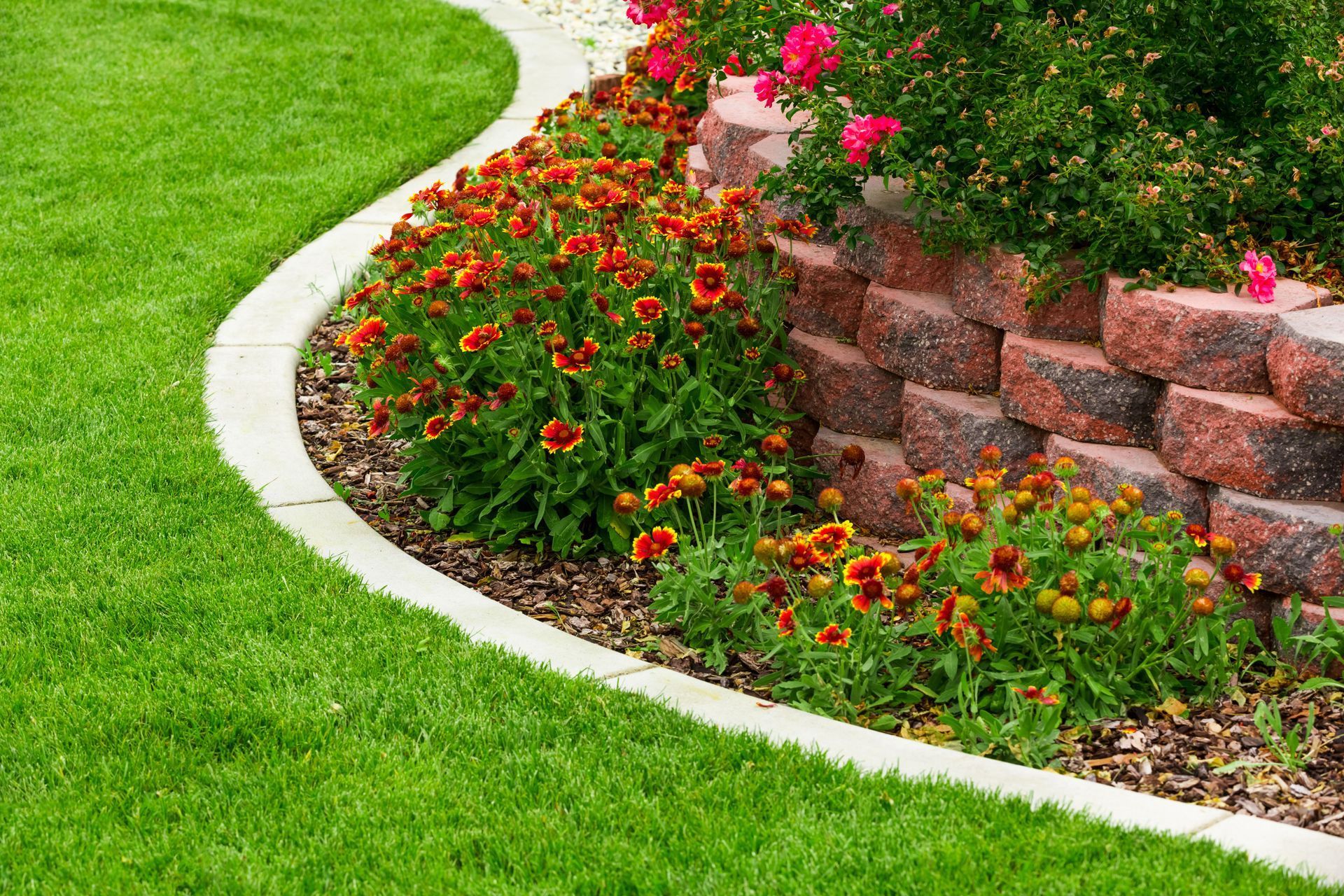
Patios often seamlessly connect indoor and outdoor areas, extending living spaces and blending the boundaries between the two environments. Additionally, decks elevate spaces, offering scenic views or creating levels within a garden, adding layers of interest and dimension to a landscape. Navigating through a garden or outdoor area is made effortless with the addition of well-planned pathways and walkways. Retaining walls are practical and visually striking hardscaping features that serve multiple purposes. Primarily used to hold back soil and prevent erosion, they are essential in creating usable, flat areas on sloped terrain. Constructed from durable materials such as stone, concrete, or bricks, retaining walls can be designed to complement the surrounding landscape and enhance its overall architecture. These walls can also double as seating areas in gardens, offering additional functionality and contributing to the space's visual interest. When integrated thoughtfully, retaining walls provide both structural support and aesthetic value, enhancing the character and utility of any outdoor space.
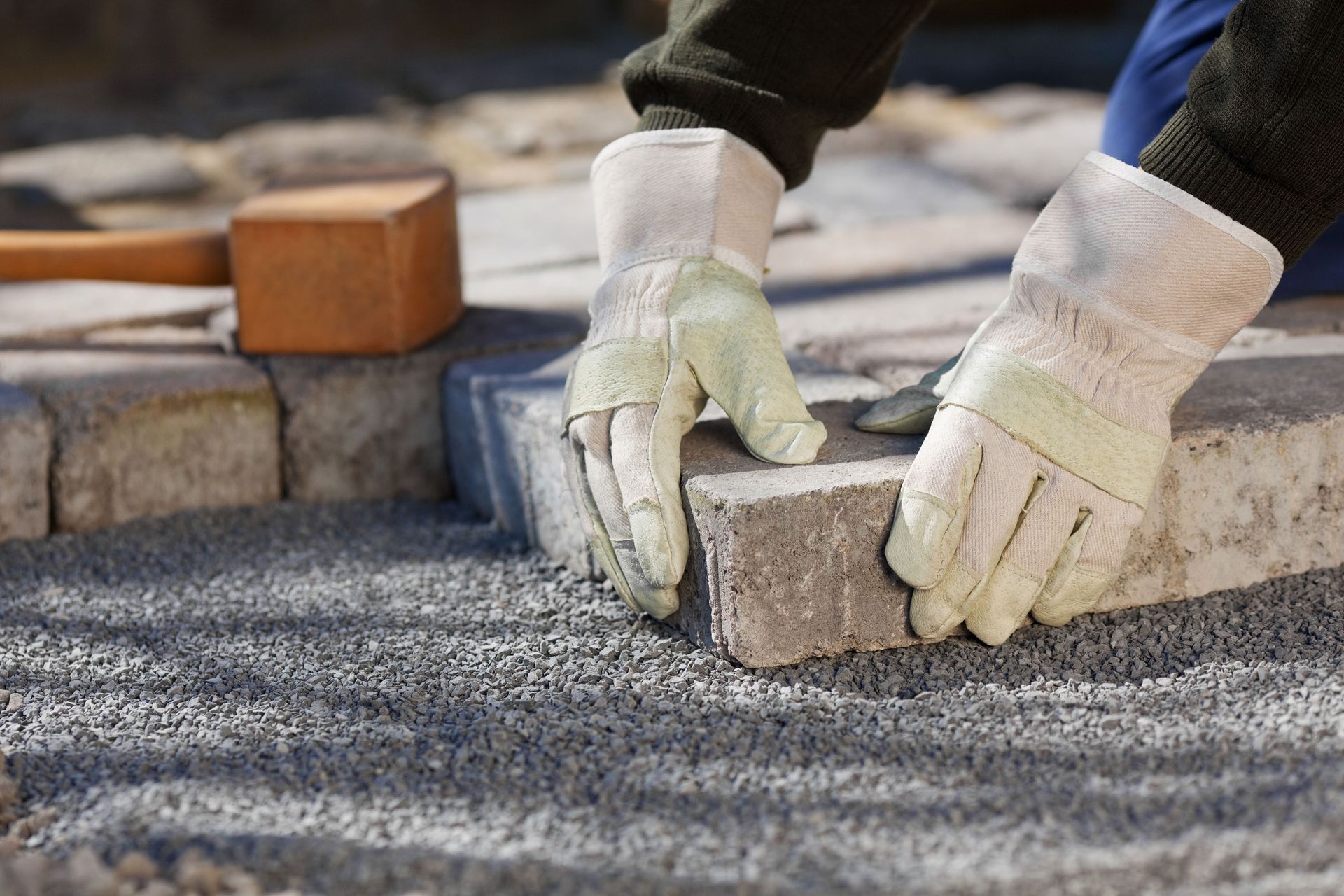
Patterns and textures play a crucial role in elevating the visual interest and depth of a hardscape, adding personality and flair to an outdoor space. Textured surfaces, such as rough stone or patterned tiles, offer a tactile element that engages both sight and touch, enhancing the sensory experience of your landscape. By arranging materials in creative patterns, you introduce dynamic designs that turn ordinary areas into captivating focal points. By planning ahead and incorporating adaptable features, you create a lasting, versatile hardscape that continues to serve and delight for years to come. Professional hardscaping services provide the technical proficiency required to manage complex drainage and grading issues while delivering a polished finish that stands the test of time. Working with a dedicated hardscaping company ensures that your vision is executed with precision, using high-quality materials that thrive in your specific climate. For property owners looking to start their next project, reach out to Furst Choice Irrigation LLC today.